How to Transport Materials to a Construction Site?
Moving construction materials is important for any project. Moving is not about transporting materials from one point to another; it requires careful planning and the right resources. The construction materials are heavy, large, and varied, so they require proper planning. Also, you need to follow safety rules and standards. Sometimes, you need to be smart. You need to deliver them urgently, and the materials can be hard to transport and manage on-site. In this article, we will deep-dive into how to transport materials to a construction site to enhance safety and efficiency on the project.
What are Construction Materials?
Transportation of construction materials involves moving insulation, lumber, bricks, cement, drywall and roofing items. You may transport heavy construction equipment, such as skid steers, excavators, cranes, bulldozers, and other machinery commonly used on construction sites.
Transportation of Construction Materials to the Site
Planning and Preparation
- Organizing Equipment: Proper planning involves listing all the construction materials and equipment. List every item from machinery to small tools required for construction projects. Group each item by size, category, and fragility. By doing so, you can choose the best packaging methods and handling techniques for each item.
- Creating a Timeline: Packaging and moving the materials should align with the construction timeline to minimize delays. So, plan different stages of your project and note when material and equipment are needed on site. Then plan for scheduling and packaging the items based on these stages so that everything will be at the site on time. Ensure clear communication with your team to maintain a smoother workflow.
- Gathering Supplies: Gather all packing materials to keep your items safe during transportation. Use bubble wraps, boxes, packing paper, foam peanuts and tape. Use sturdy containers and custom crates for fragile and larger items. Additional moving materials, such as forklifts, pallet jacks, hand trucks and dollies, may be required to move heavy materials. Protective items like moving blankets and straps can provide additional protection and help prevent damage.
Packing Techniques
- Heavy and Bulky Materials: In construction projects, most materials are heavy and bulky. So, it’s better to use durable materials, such as strong boxes and crates. Use straps and pallets to secure them in place.
- Hazardous Materials: Chemicals, paints, and solvents are hazardous materials and generally require extra care to comply with safety rules. Use approved containers for transporting such materials and ensure they are tightly sealed. Label the containers with their contents and place hazard signs on them. Keep these items upright and use absorbent materials to prevent leaks or spills.
- Tools and Equipment: Store small tools in toolboxes or strong containers. Cover the sharp edges of the tools with packaging materials to avoid injuries. If it’s a large piece of equipment, disassemble the parts and pack them separately for easy handling. If there are any delicate items, use bubble wrap or foam around them. Use moving blankets and straps to keep them in place and prevent damage during movement.
Pick the Right Truck
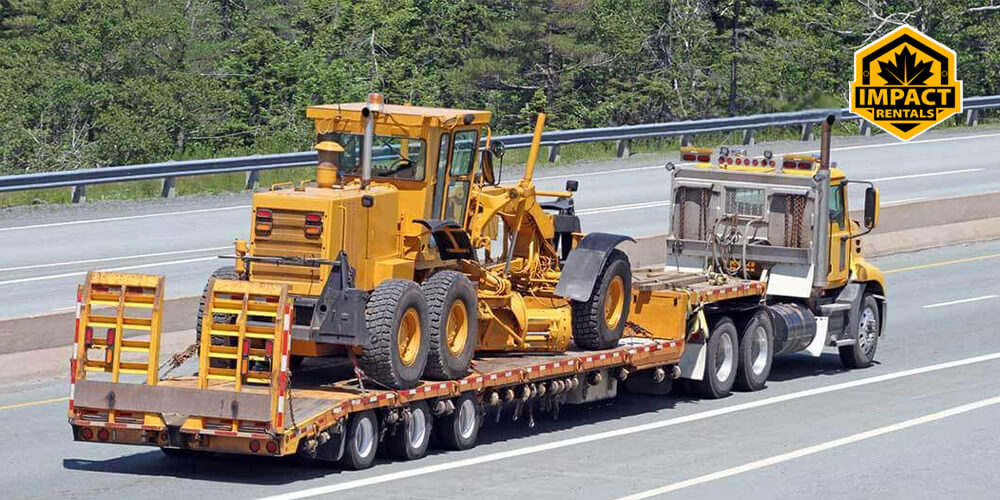
For every type of material, there will be a vehicle type to transport it. So, if you are dealing with lumbar and drywall, a flatbed is a great choice. For specialized transport, a dry van, super-b or another type can be chosen. Have an idea of the truck’s hauling capacity, as breakdowns can happen and make it challenging for you and commuters.
Double-check Securements
Construction materials are heavy and difficult to handle. Commonly used transportation is flatbeds, but the load must be secured in place. If they are not secured, the materials will be disturbed or fall from the place when you brake suddenly. Adhere to local rules and regulations, as most require at least 4 tie-down points for loads exceeding 10,000 pounds. It’s okay to take extra time and check whether everything is tight to avoid accidents and material loss.
Lift Safely
If you are doing beyond driving while moving construction materials, you should maintain safety, especially while using tools like cranes and forklifts. Maintain proper form when lifting items to avoid injuries and back pain. Some trucking companies provide back braces and other safety equipment to employees who handle heavy materials.
Risks Associated with Poor Transportation of Construction Equipments
You should always prioritize safety, whether you are working or transporting construction materials. Poor handling of construction materials can lead to accidents, physical injury, or property damage.
Below are the risks associated with not following proper procedures:
- Not complying with OSHA standards
- Equipment Damage
- Accidents or traffic jam
- Delay of the project
- Safety risk for workers and passers
- Facing legal consequences
Conclusion
Transporting construction equipment is more than just moving materials from one place to another. It requires careful planning, precision, safe packing methods, proper handling, and adherence to safety rules. Properly planned construction material transportation not only saves time and money but also ensures a safe working environment for everyone involved.
If you are looking for reliable heavy equipment rentals, we have your back! At Impact Rentals, we offer a wide range of well-maintained heavy equipment rentals, with flexible rental options and support. Contact us today for a free quote!