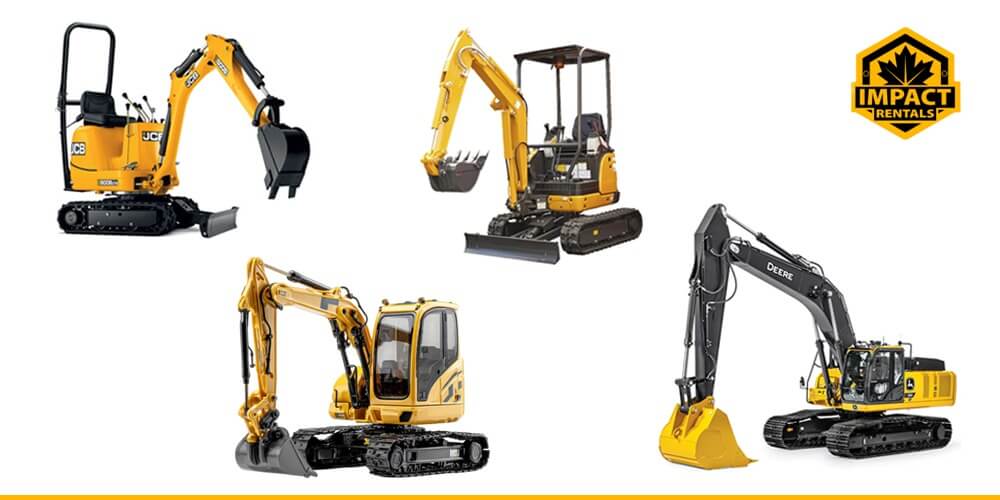
Mini Excavator Sizes Explained: Choosing the Right Excavator for Your Job
Choosing the right excavator is one of the most important decisions for any construction and landscaping project. The right machine directly impacts the productivity, fuel efficiency, and overall operating costs. The right mini excavator can complete multiple tasks such as digging, lifting, and loading while reducing unnecessary wear and breakdowns. A mini excavator has a compact design that allows it to navigate and operate within smaller work sites with minimal footprint. However, mini excavators come in various sizes. In this article, we look into mini excavator sizes and choosing the right excavator for your job.
What are Mini Excavators?
Mini Excavators are versatile machinery tailored for precise digging in confined workspaces. These machines are designed with utmost responsiveness, allowing them to navigate tight spaces while maintaining the best performance. Hence, mini excavators have become essential machinery in construction and landscaping projects. Mini excavators weigh approximately 10,000 pounds. Mini excavators can be equipped with various attachments, including:
- Hydraulic Breakers
- Digging Buckets
- Augers
- Grapples
- Grading Buckets
- Trenching Buckets
The interchangeable attachments ability enables the mini excavator to tackle tasks in construction and landscaping projects. Better efficiency of the excavator plays a vital role in project success.
Mini Excavator Sizes
Mini excavator sizes are generally categorized based on their operating weight. While choosing a mini-excavator, the weight of the machine determines its lifting capacity. Let’s look into the mini excavator sizes and choosing the right excavator for your job.
Micro Mini Excavator (Less Than 1 Ton)
Micro mini excavators are the smallest excavators in the whole excavator category. These machines are suitable for smaller projects, as their compact design makes them easy to operate in confined spaces. The horsepower of micro mini excavators is 10-20 HP. The applications include
- Residential utility work
- Backyard landscaping
- Narrow trenching
- Light demolition
- Garden preparation
These mini excavators can be operated in confined residential sites with less disruption. However, with their smaller size, they have limited digging depth and lifting capacity.
Small Mini Excavator (2 to 4 Ton)
Small mini excavators are relatively compact and have additional digging capacity and power. With an operating weight of one to two tons, these mini excavators can dig between seven and eight feet, which is ideal for utility projects. This size of mini excavator can also operate a grading bucket, used to level the ground. The horsepower of small mini excavators is 20-35 HP. The applications of this size mini excavator include
- Digging trenches
- Surface grading
- Utility works
- Landscaping
- Carrying materials like wood, soil, and stone
Medium Mini Excavator (3 to 5 Ton)
Medium mini excavators are the second-largest mini excavators in the mini excavator size category; they offer more power and functionality. With an operating weight of three to five tons, these mini excavators can dig trenches from eight to twelve feet. The horsepower of these mini excavators is 35-50 HP. The applications of this size mini excavator include
- Foundation projects
- Contour trenching
- Landscaping
- Site preparation
- Driveway preparation
- Shallow digging
A mini excavator of this size can handle site preparation tasks like land clearing by moving rubble and plowing snow to prepare for further work.
Large Mini Excavator (6 to 10 Ton)
This size of mini excavator is the largest in the mini excavator size category. These mini excavators offer the most power and digging capacity, which fits within a confined work area. With an operating weight of six to ten tons, these mini excavators can dig up to 15 feet. These are observed in commercial and landscaping projects. The horsepower of these mini excavators is 50-75 HP. The common applications include
- Larger foundation projects
- Deep trenching
- Wider site preparation
- Heavy demolitions
- Backyard filling
- Transporting construction materials
How to Choose the Right Excavator?
While mini excavators are categorized by weight, there are other specifications to consider while choosing the right excavator size. The following are the factors to consider while selecting the right excavator for your job.
Work Site Dimensions
The main benefit of the mini excavator is its compact design that can fit and work within confined spaces. Mini excavators are of different shapes and sizes. Check the measurements of the area you are working in to ensure the mini excavator’s overall dimensions align with your workspace.
Work Site Terrain
Consider your work site terrain when choosing the right excavator. Soft, muddy, and uneven surfaces require a machine that aligns with the track configuration. Tracked mini excavators suit uneven and muddy surfaces, and wheeled mini excavators suit soft surfaces. However, the machine should align with the working environment and ground conditions.
Check Attachment Compatibility
Mini excavators can accommodate a wide range of attachments such as hammers, buckets, and augers. Check which attachments are compatible with your chosen excavator; choosing the right attachment can increase the machine’s functionality and versatility.
Project Requirements
Consider the tasks your excavator will need to perform. Choose a mini excavator size that can handle your digging, lifting, and hauling needs with high efficiency. Here are a few project requirements to consider when choosing the right excavator size.
- Dig Depth: The digging capacity determines how deep a mini excavator can dig into a surface. For mini excavators, the general rule is that the larger the size, the further it can dig. But the models of excavators differ, so check the digging specifications that will suit your project needs.
- Reach: The reach of your excavator will determine how far your equipment can dig without movement. A longer reach can slow down the excavation cycle time but may be desirable for projects where accessibility is challenging.
- Lift Height: Choose an excavator with sufficient lift height that meets your project needs, like loading materials onto trucks.
- Dumping Height: It refers to the maximum height the machine’s arm can dump from its bucket. Choose the right excavator that aligns with your project needs.
- Load Capacity: The load capacity determines the amount of material your operating speeds. Choose the excavator with proper application load capacity.
- Load weight: Choose an excavator that can withstand your load weight and meets your project demands.
Conclusion
Understanding the mini excavator sizes helps you choose the right excavator for your project. Micro excavators are ideal for confined workspaces; small mini excavators are ideal for residential, small tasks; medium mini excavators are optimal for landscaping; and large mini excavators are suitable for deep digging and heavy demolitions. Also consider work site dimensions, terrain, attachments used, and project requirements before choosing the right excavator for your project.
Need specialized equipment for your project? Renting the equipment not only saves costs, but also allows flexibility to choose the equipment your project actually needs. At Impact Rentals, we offer reliable mini excavators to meet your project needs. We help you choose the right excavator for your project. Contact us today for a free quote!