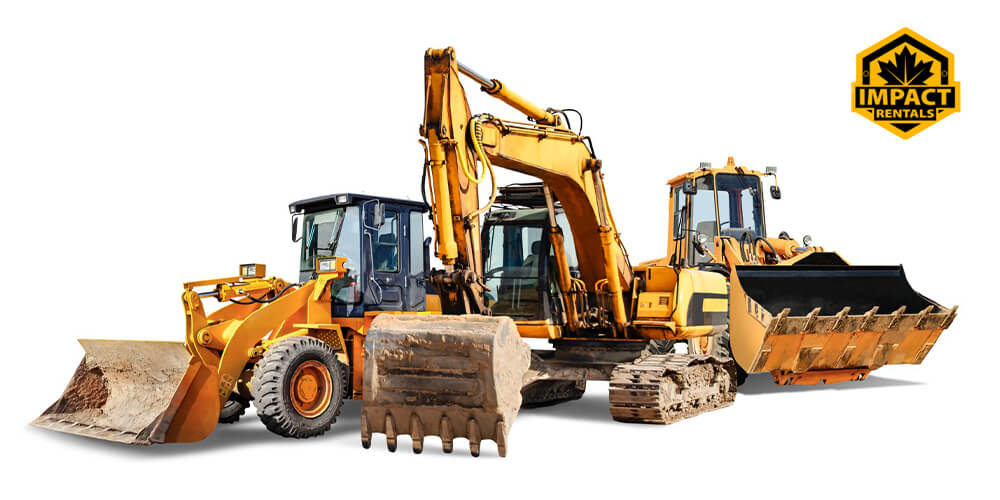
Top Construction Equipment Every Contractor Needs
Having the right construction equipment is important for better safety, efficiency and productivity at a construction work site. There is a lot of modern construction equipment available for contractors to handle difficult tasks better with less labour costs and increase productivity. Whether it’s a large project or a small residential construction job, the success of the project highly depends on the type and quality of the equipment they use in the construction. In this article, we will look into the top construction equipment every contractor needs. Let’s get started!
Understanding Heavy Equipment and Its Uses
Heavy equipment can also be called construction equipment. It plays a major role in modern construction projects. This equipment is designed to handle challenging tasks like digging, lifting, moving and transporting materials on job sites. Common construction equipment includes excavators, bulldozers, skid steers and many more, which will be discussed further, which helps the workers to handle the tasks faster and more efficiently.
Understanding the equipment type and its uses is important to choosing the right equipment for your project. By this, you can ensure that the work will be completed safely on time within the budget. Whether it’s for digging the foundations, moving heavy materials or preparing the land, heavy equipment is essential for the job done.
Top Construction Equipment
Earthmoving Equipment
Earth-moving equipment is important and the most commonly used equipment on construction sites. These machines are used to move large quantities of soil, rocks and debris from one place to another quickly and efficiently. They are used to perform tasks like excavation, grading and foundation works. Earth-moving equipment is known for its strength and versatility and is known to improve productivity and keep projects running smoothly.
Types of Earth Moving Equipment:
- Excavators: Commonly used equipment in construction and used for digging, breaking and demolishing structures. Excavators have a boom, dipper and a bucket that allow them to carry out their tasks. They can be paired with different attachments to improve the functionality and get the job done with more precision and efficiency.
- Bulldozers: It is a powerful tractor with a large metal blade at the front. It is commonly used for levelling ground on construction sites. Bulldozers are used to move large amounts of dirt, sand, gravel and debris and make the site more ideal for preparation, foundation work and road construction.
- Backhoe Loaders: A combination of an excavator and a loader in a compact and highly versatile form. It has a front bucket for loading and carrying materials and a back-mounted digger for trenching and digging. Due to these features, it is widely used as a multipurpose piece of equipment in smaller to medium-sized projects.
- Motor Graders: Used in construction projects and fine grading work. A motor grader has a long blade between the front and rear axles to create a smooth and even road or for site preparation for asphalt laying.
Construction Vehicles
Used for moving tools, materials and equipment on the job site for smooth operations and to reduce manual labour in the work site. They can handle heavy loads, rough terrains and other tasks that are essential for the construction process. Whether the job is transporting large quantities or site preparation, construction vehicles play a major role in almost every construction project.
Types of Construction Vehicles:
- Dump Trucks: Used for transporting construction materials like sand, gravel, debris, asphalt and concrete. They are available with hydraulic lift beds that make it easier to dump the materials at the job site.
- Concrete Mixers: As the name suggests, they are used for mixing the concrete and delivering it to the construction site. Most of the construction contractors depend on concrete mixers for ready-made concrete as they mix the concrete thoroughly and prevent it from setting prematurely.
- Trenchers: Trenches are used for digging trenches for installing pipes and drainage systems quickly and efficiently. The use of this technology reduces the need for manual digging and labour costs to speed up the construction work.
Material Handling Equipment
Material handling equipment is used in construction projects to lift, move and place the materials safely on the job site. They are used for transporting heavy materials like steel, concrete, and other building supplies and arranging them accurately at the construction site.
Common Material Handling Equipment are:
- Cranes: Used for lifting and moving heavy materials over long distances or high locations. There are different types of cranes, namely tower cranes (for tall buildings), mobile cranes (tall and movable) and rough terrain cranes (off-road applications)
- Forklifts: Used for transportation of heavy materials like crates, pallets and others for short distances. These are commonly used in warehouses and construction sites. Forklifts are available in different sizes and configurations, allowing contractors to have the flexibility to choose the right size according to the size of the project.
- Telehandlers: They have the combination of versatility of a forklift and the lifting capacity of a crane. They have an extendable boom to place materials on rooftops or elevated storage spaces. Telehandlers can be used with different attachments to make them more versatile and functional.
Lifting Equipment
Equipment used to lift heavy objects in a safe and efficient manner is referred to as lifting tools. It is mainly used for vertical construction projects. Lifting tools play an important role in building multi-story buildings, bridges and other large structures, helping to improve safety, efficiency and accuracy.
Types of Lifting Equipment:
- Hoists: Used to lift materials vertically and are powered by electricity, air or hydraulic systems. They are available in two forms: manual hoists (for shorter distances) and powered hoists (for longer distances).
- Scissor Lifts: They offer a stable platform with elevated access for the construction workers to reach heights on a construction site. They use a crisscross support system to lift the materials or the workers to the required height.
- Boom Lifts: Boom lifts are flexible equipment used to reach hard-to-reach areas more effectively than scissor lifts. They have a hydraulic arm extending upward and outward to reach different heights safely. They are available in articulated and telescopic models.
Compaction Equipment
Equipment that is used for compressing soil, gravel or asphalt is compaction equipment. Usually, compaction is done to prevent the settlement of soil and structural integrity in the project. These machines are used for site preparation and paving for long-lasting construction.
Types of Compaction Equipment:
- Roller Compactors: Commonly observed in road construction and large-scale earth-moving projects. These are used to compress gravel, soil and asphalt and make the surface flat and smooth. Roller compactors have a large, heavy drum to apply pressure and create a strong, stable surface.
- Plate Compactors: If you are dealing with smaller projects or a project with confined space, a plate compactor can be used to flatten the surface. A plate compactor has a vibrating plate to press the soil or gravel and compact it evenly.
- Rammers: Rammers are compact machines for pressing soil and gravel in tight and confined spaces where large equipment cannot be used. Rammers work by continuously striking the place to make the surface firm and stable. Their precision makes them ideal for compaction in confined spaces.
Concrete Equipment
Concrete equipment is used to handle, transport and shape the concrete in construction. They are essential for building roads, foundations, bridges and other structures and provide a smooth finish even in hard-to-reach areas.
Types of Concrete Equipment:
- Concrete Pumps: Used for spreading concrete even in difficult-to-access areas like tall buildings or confined spaces. Concrete is moved through pipes by using a hydraulic system and placed where it is required. They reduce time and increase efficiency and accuracy of the project.
- Concrete Vibrators: These are used after the concrete is poured into the structure. The vibration removes the excess bubbles and allows it to settle evenly, improving the structural integrity and finish of the concrete once it hardens.
- Concrete Saws: Concrete saws are used to cut the hardened concrete slabs or surfaces precisely. They have diamond-tipped blades for clean and precise cuts. They are used for installing utility lines, repairing roads and building sidewalks.
Transportation Options
Transportation equipment is important for any construction site to ensure that materials, machinery and waste are transported from one point to another. These vehicles are important to maintain projects on track. Various transportation materials like dump trucks, flat beds and others are used to reduce the overall costs and ensure smooth operations throughout the construction process.
Conclusion
There are countless pieces of heavy equipment used for construction, and each one has its own use. So, it’s important to understand the specific needs and choose the right one for your job. Choosing the right one improves safety, efficiency, reduces workplace injuries and increases productivity. At Impact Rentals, we deal with reliable construction equipment rentals and help you tackle every situation in the construction project. Contact us today and explore our rental options.